
Owner-Builder Rules in Victoria: What You Need to Know
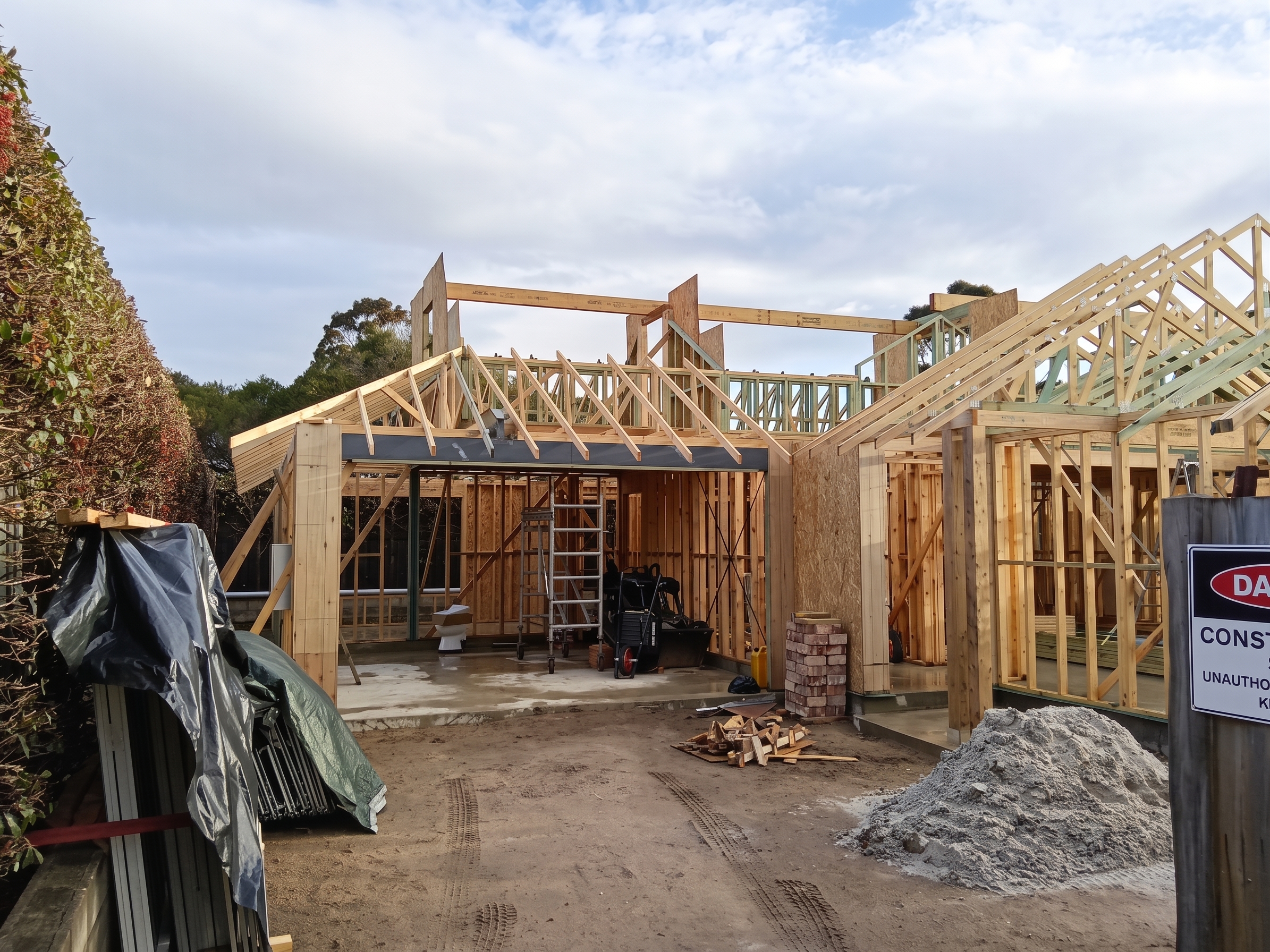
Navigating the Owner Builder Rules Victoria Sets for Property Owners
If you own land in Victoria and are considering managing your own domestic building project rather than hiring a registered builder, you need a clear understanding of the regulatory landscape. Taking this path can be a highly rewarding way to approach a construction project, but the owner builder rules Victoria applies are much narrower than many people assume. This specific regulatory pathway is strictly intended for domestic building work on a single dwelling.
A major threshold to be aware of right from the start involves the requirement for a formal approval process. A Certificate of Consent is only required once the value of your domestic building work exceeds $20,000. It is crucial to note that this figure includes the combined value of both labour and materials, calculated at what a registered builder would commercially charge to complete the work, even if you plan to do the labour yourself.
If your entire project falls under that $20,000 threshold, a Certificate of Consent is not required at all. However, it is crucial not to confuse this with your building permit obligations. Even if your project costs less than $20,000 and a Certificate of Consent is unnecessary, most construction work still requires a formal building permit issued by a registered building surveyor before any work begins. While minor exemptions exist for small structures like garden sheds under specific sizes, any structural alterations, decking, or additions need a building permit regardless of the financial cost. Because of these strict limits, checking your eligibility and permit requirements early is a vital step before assuming this pathway is a viable option for your specific circumstances.
Owner Builder Eligibility Victoria and Certificate of Consent Requirements
The legal basis for managing your own build is clearly set out under Section 25E of the Building Act 1993. The Building and Plumbing Commission requires applicants to meet a series of core conditions before they can step into this demanding role. First and foremost, you must own the land or legally represent an entity that owns the land. The proposed work must relate exclusively to a single domestic dwelling, and you must genuinely intend to live in the property once the construction is complete. The only notable exception to this strict residency rule applies if your project is a small second dwelling.
Additionally, the rules state that you must not be operating as a building business. To prepare you for the realities of the site, applicants are required to successfully complete a mandatory eLearning assessment as well as construction induction training. Furthermore, you must never have previously sold an owner-built home without the required insurance policies securely in place.
A significant condition that catches many property owners off guard is the five-year rule. By law, an owner-builder cannot be issued a new Certificate of Consent within five years of a previous one for a different property. This acts as a regulatory trap for those who do not realise the restriction applies until they try to self-manage a second project too soon. However, there is a specific exemption to this timeline: a new project that is a small second dwelling is entirely exempt from this five-year restriction. You can read more about how these specific structures are defined and regulated in our guide to Small Second Dwellings in Melbourne: The ‘Granny Flat’ Rule Explained.
Once successfully issued, your Certificate of Consent is valid for 12 months, or until your building permit lapses if a permit is obtained within that initial timeframe. It is important to remember that even when you are self-managing the construction phase, engaging an experienced building design practice early in the process remains critical. Your permit obligations, detailed documentation needs, and National Construction Code compliance duties do not disappear simply because a registered builder is not running the job.
The Practical Realities When You Become an Owner Builder Victoria
Managing your own build involves real friction points that go beyond basic project administration. You are responsible for coordinating multiple trades, sequencing the work correctly, arranging mandatory inspections at the right stages, and keeping the whole project compliant with the National Construction Code, all without a builder’s day-to-day project management experience behind you.
That hands-on role does come with a genuine advantage, though: control. As an owner-builder, you have access to your own site at any time, and you decide directly how the budget is spent and how variations are priced and approved, rather than having them filtered through a builder’s process and margin. Many owner-builders choose to engage a registered builder purely as a project manager or head contractor to coordinate trades day to day, while retaining the owner-builder role and the final say. Because you hold that role rather than a builder, you are not locked into a single arrangement for the life of the project. If a project manager or a trade isn’t performing, you have the flexibility to change it, something a standard head-contract arrangement does not allow once signed. That flexibility also matters if a builder runs into financial trouble partway through a project: bringing in a new party to finish the work while the existing contract remains on foot is typically not possible, and completing the job usually has to wait until that contract ends, through the builder’s insolvency, deregistration or death.
Proper documentation remains one of the most effective ways to manage these responsibilities well. Clear, construction-ready drawings and 3D visualisation allow an owner-builder to actually understand what they are approving before any concrete is poured or timber is cut, and give your chosen trades something precise to price and build against, reducing costly on-site guesswork, miscommunication, and expensive variations.
Infrastructure and servicing also need the same early coordination as on any project. Water, sewer, stormwater and power connections require planning well ahead of time, arguably more so for an owner-builder without a builder’s existing authority contacts or established accounts to rely on.
Understanding Owner Builder Insurance Victoria and Financial Obligations
The appeal of self-managing a build isn’t only the potential savings from not paying a builder’s margin. As an owner-builder, you also keep direct control of your budget and how variations are approved, and you aren’t locked into a single company for the life of the project the way a standard building contract typically requires. If a trade or manager you’ve engaged isn’t performing, you can change it, and if a builder becomes insolvent partway through a standard contract, an owner is often left waiting for that contract to end before a new contractor can properly take over, which can mean significant delay and added cost. Managing the project yourself removes that single point of failure.
This flexibility still needs to be weighed honestly against the significant personal liability and time commitment of running the project yourself. Unbudgeted personal liability if something goes wrong on site can offset both the margin savings and the value of that added control, which makes it crucial to understand your financial obligations before committing to the build, rather than discovering them partway through the process.
A major and highly relevant change to the regulatory framework involves how projects are insured. From 1 July 2026, Victoria replaced the old warranty insurance model with a new Statutory Insurance Scheme, commonly referred to as the SIS. Under the old system, a purchaser buying an owner-built home could only make a claim against the insurance if the owner-builder had died, disappeared, or become legally insolvent. The new Statutory Insurance Scheme operates as a “first resort” cover. This means a subsequent purchaser can claim for defective work directly, without needing to prove death, disappearance, or insolvency of the original owner-builder.
The key figures for this updated scheme are critical to understand. The insurance requirement is still triggered once the building work exceeds the $20,000 threshold. Cover under the new scheme is capped at $400,000 per dwelling. The scheme covers non-major defects for two years and major defects, such as structural failures or weatherproofing issues, for six years. Furthermore, if you decide to sell the property within 6.5 years of the occupancy permit or certificate of final inspection being issued, you are legally required to obtain a specific defects and condition report and provide full disclosure in the Section 32 vendor statement.
Please note: this summary does not constitute financial or legal advice. Regulatory figures, fee thresholds, and insurance requirements can and do change. You should verify all current details directly with the Building and Plumbing Commission or a qualified insurer at the time of your project or property sale.
How NM Architecture Supports Your Owner-Builder Journey
Taking on a domestic building project yourself can work exceptionally well for the right property, provided the eligibility criteria, documentation needs, and risk factors are properly understood upfront. Thorough preparation is the most effective way to protect your investment and keep your project moving forward smoothly.
NM Architecture helps de-risk your project from the very beginning by providing full building design and documentation services. We also manage your planning and building permit applications, and we offer dedicated coordination support throughout the early phases. This approach means that an owner-builder is provided with professional-grade drawings and strict compliance guidance while retaining the freedom to manage the construction phase themselves. The exact same service packages that are available to licensed building companies are available to owner-builders managing their own site. You can learn more about how we handle the regulatory and approval side of your project on our Permits & Approvals service page.
If you are ready to explore your options, we invite you to get in touch with our team. Contact us today to check whether your project is eligible for this pathway and to request a tailored proposal for your specific building design needs.
Ready to get started on your project?
Contact UsRecent Posts
-
 September 26, 2026
Building on a New Estate: The Documentation You’ll Need
-
September 26, 2026
Owner-Builder Rules in Victoria: What You Need to Know
-

-
 September 8, 2026
Identifying High-Yield Subdivision Sites in Victoria
-
 September 8, 2026
Identifying High-Yield Dual-Occupancy and Two-Lot Sites
-
 September 8, 2026
Small Second Dwellings in Melbourne: The “Granny Flat” Rule Explained